
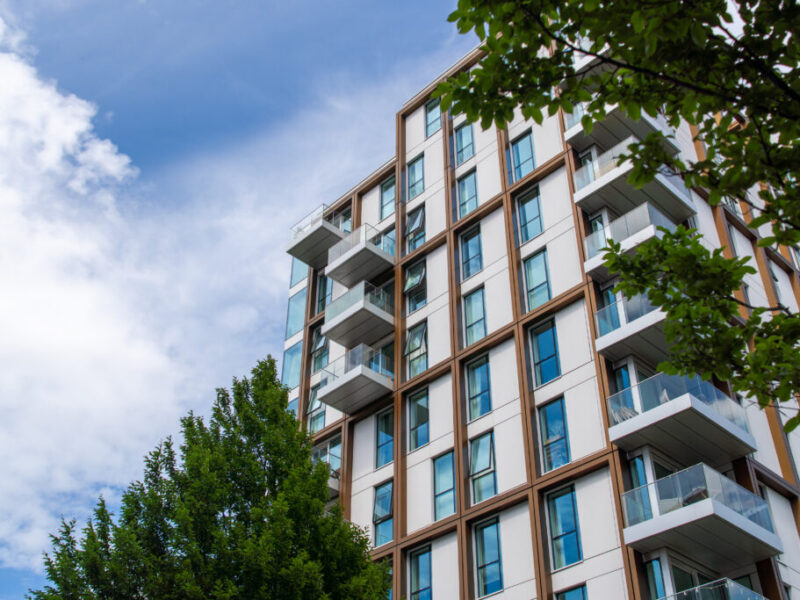
When assessing the value of a block of flats – location, size and condition are often the first factors that come to mind. However, building safety has become an increasingly important consideration.
Following significant changes to building safety legislation, the condition of external walls, fire doors, compartmentation and other protective measures can influence how a residential building is viewed. Investing in building safety is therefore about more than meeting legal obligations, it can also help protect property values, support insurability, and maintain confidence in the building over the long term all whilst keeping residents safe.
How Building Safety Influences Property Value
A property’s value reflects more than its physical appearance. Buyers and mortgage lenders also consider the risks associated with ownership – including potential repair costs, ongoing service charges and whether significant building works may be required.
Where a block has unresolved fire safety concerns, these uncertainties can make individual flats harder to sell or mortgage. Prospective purchasers may worry about future remediation costs, while lenders may require additional information before agreeing to provide finance.
By contrast, a building with well-documented safety measures, completed remediation and clear maintenance records may offer greater reassurance. Although safety improvements do not automatically increase market value, they can help remove barriers that might otherwise affect saleability and buyer confidence.
The Impact of Cladding Remediation
External wall systems have received particular attention following the Grenfell Tower tragedy and the subsequent changes to building safety requirements. Where combustible materials or other significant fire safety defects are identified, remediation may be necessary to reduce the risks. Until those issues are properly assessed and addressed, uncertainty can affect the marketability of flats within the building.
Removing or addressing unsafe materials, obtaining appropriate documentation and establishing a clear record of completed work can help reassure lenders, insurers and future purchasers.
Understanding Fire Risk Assessments
A Fire Risk Assessment (FRA) is fundamental to managing fire safety in residential buildings. This assessment identifies hazards, evaluates existing precautions and recommends measures to reduce risk.
Under the Regulatory Reform (Fire Safety) Order 2005, the Responsible Person must ensure a suitable and sufficient assessment of fire risks is carried out for the areas covered by the legislation. These might include improvements to fire doors, emergency lighting, alarm systems, escape routes or fire compartmentation.
FRA findings can also provide important information about the building’s condition and potential future expenditure. For example, significant outstanding remedial works could affect a buyer’s assessment of future costs or the considerations of a valuer.
What Role Does an EWS1 Form Play?
The External Wall System (EWS1) form was introduced by the Royal Institution of Chartered Surveyors (RICS) to support mortgage valuation decisions where external wall fire safety concerns may be relevant. It provides a standardised way for appropriately qualified professionals to report on the fire safety of a building’s external wall system.
An EWS1 form is not a legal requirement for every block of flats, nor is it a substitute for a Fire Risk Assessment or evidence of wider Building Safety Act compliance. Not every building requires one, and lenders may apply different requirements depending on the property and available information.
Where an EWS1 assessment is relevant, its findings can influence lending decisions and the information considered during a valuation. A clear assessment can help reduce uncertainty, while findings that identify remediation requirements may lead to further questions about costs, timescales and funding.
Fire Doors, Compartmentation and Wider Improvements
Fire doors and compartmentation are essential to controlling the spread of fire and smoke. Any defects can affect safety and reduce value, addressing any problems as soon as possible is imperative. Other improvements might include upgrading smoke control systems, emergency lighting or fire detection equipment.
For higher-risk buildings, additional duties under the Building Safety Act 2022 also place greater emphasis on managing building safety risks, maintaining information and demonstrating effective safety management. While these measures may involve significant expenditure, they can also help reduce uncertainty about the building’s condition and future liabilities.
How Safety Works Feed into Professional Valuations
Different valuations serve different purposes. A market valuation considers what a property is likely to achieve on the open market. Outstanding safety defects, restrictions on mortgage lending and anticipated remediation costs may influence that assessment.
An insurance reinstatement valuation estimates the cost of rebuilding the property following an insured loss. Safety upgrades can affect reinstatement costs where they change the building’s construction, materials or specification. For example, substantial external wall replacement or other significant alterations may justify reviewing the existing reinstatement assessment.
However, money spent on safety improvements does not necessarily translate directly into an equivalent increase in market value or the insurance sum insured. Professional valuers must consider the purpose of the valuation and the particular characteristics of the building.
Building Safety and Insurance
Insurers assess a range of factors when considering cover for residential blocks, including construction, fire protection measures, claims history and known defects. Unresolved building safety issues can complicate the insurance process and may influence premiums, terms or the availability of cover.
Providing accurate information about completed remediation, inspections and maintenance can help insurers understand the risks involved. Building managers should therefore maintain organised records of safety assessments, completed works, relevant certification and ongoing maintenance. These records support insurance discussions and demonstrate that identified risks are being taken seriously.
Communicating the Long-Term Benefits
Building safety works can be difficult for leaseholders, particularly when projects involve disruption or substantial expenditure, so clear communication is essential. Residents should understand why work is required, what risks it addresses, how it will be funded and what the expected outcomes will be.
Where appropriate, management teams can also explain how addressing safety defects may help protect the building’s future marketability and reduce uncertainty for buyers and lenders. It is important not to promise that works will increase flat values or reduce insurance premiums (the benefits depend on many factors), but showing how safety improvements fit into a wider building management strategy can help leaseholders understand their long-term importance.
Safety is a Long-Term Investment
Addressing defects, maintaining effective fire protection measures and keeping accurate records can help protect resident safety as well as property values. Ultimately, a well-maintained, safety-conscious building is better positioned to remain attractive to residents, lenders and prospective purchasers.


 The Risks of Outdated Heating Systems in Multi-Occupancy Buildings